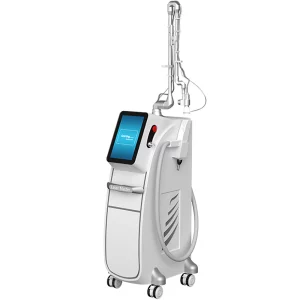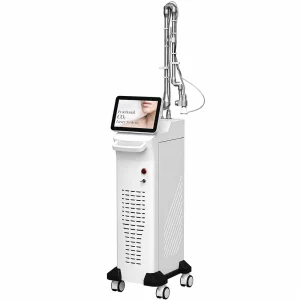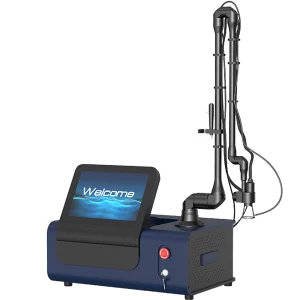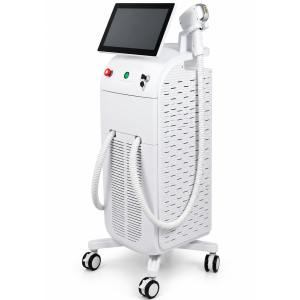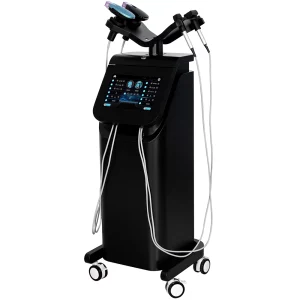
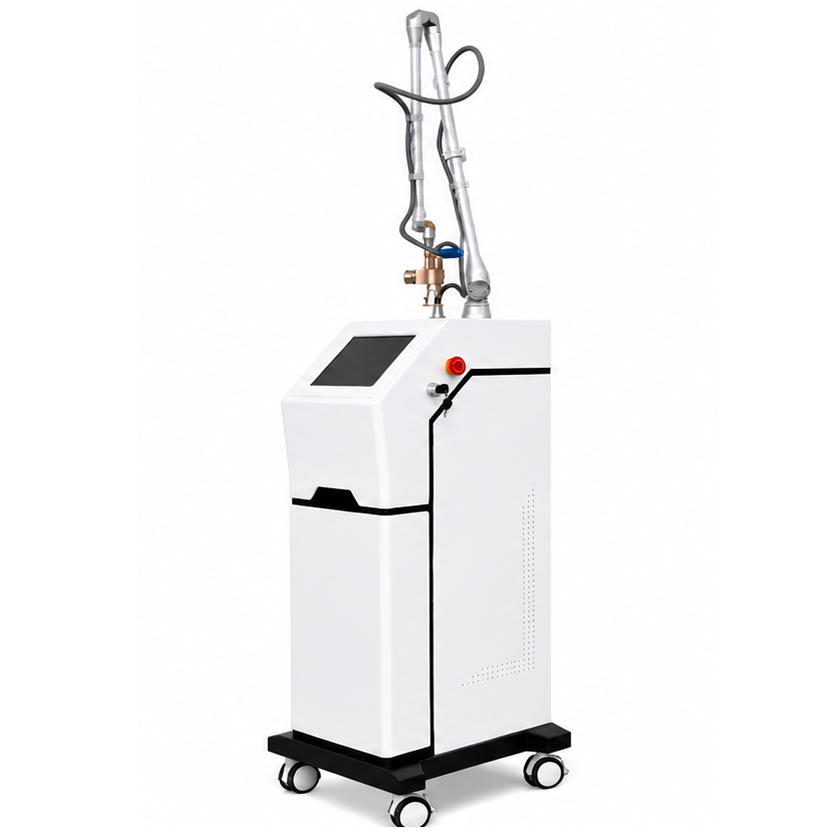
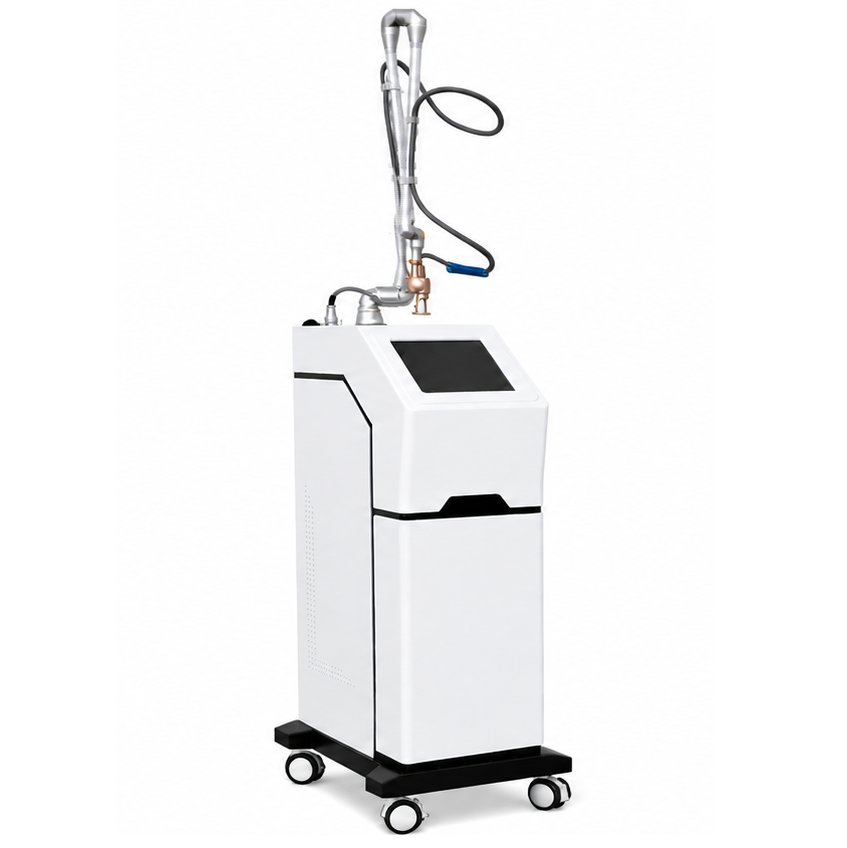
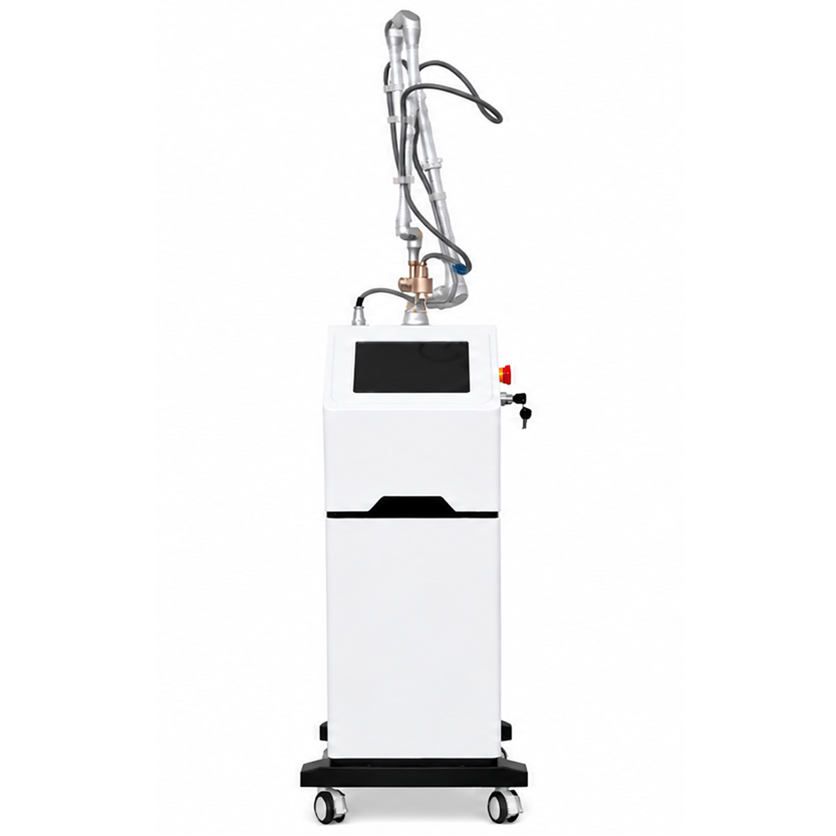
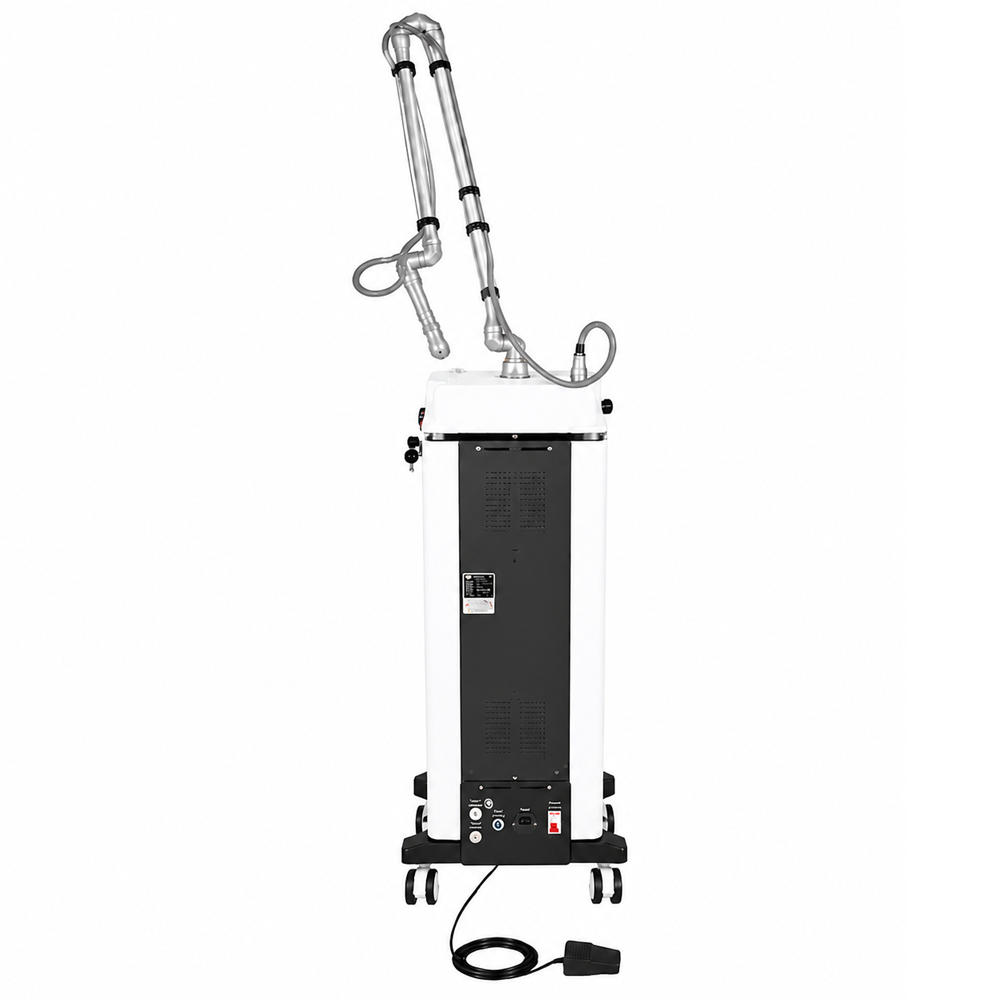
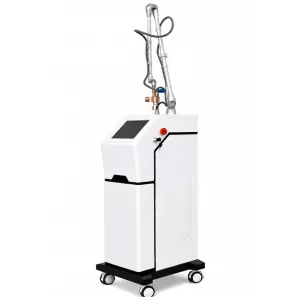
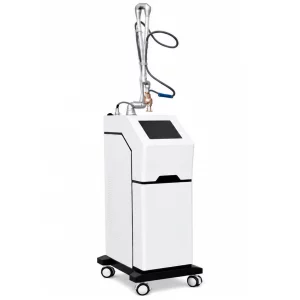
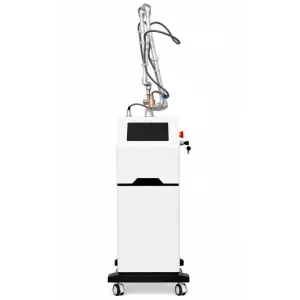
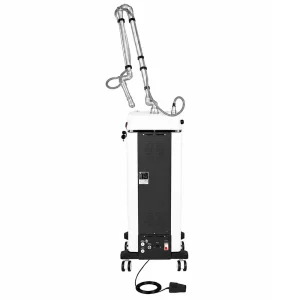
Professional Multi-Probe Co₂ Fractional Laser Skin Resurfacing Machine
£1,903.21 GBP
The Professional Multi-Probe CO₂ Fractional Laser Skin Resurfacing Machine combines 10,600 nm laser technology, TURBO six-subpulse technology, and multiple treatment configurations to support versatile professional skin resurfacing applications.
Professional Cooling System :Combines water cooling and air cooling to support stable equipment operation.
Versatile Treatment Handpieces :Includes specialized treatment configurations for fractional resurfacing and selected localized treatment applications.
Customizable Scanning Patterns :Supports multiple scanning shapes, adjustable laser power, dwell time, and dot spacing for different treatment requirements.
Multifunctional Treatment Modes :Offers Fractional, Normal, Gynac, and Vulva modes for different professional treatment applications.
Description
Technical Specifications
| Specification | Details |
|---|---|
| Wavelength | 10,600 nm |
| Laser Power | 1–60 W |
| Optical Beam Quality | TEM00 |
| Spot Size | 0.02–0.05 mm² |
| Aiming Beam | 635 nm Red Semiconductor Laser, Less Than 5 mW |
| Working Mode | Continuous Operation |
| Scan Graphics | Circle / Hexagon / Ellipse/ Rectangle /Straight Line / Square /Triangle |
| Scanning Modes | Random / Normal / Midsplit |
| Scanning Speed | Over 10 m/s |
| Dot Spacing | 0.1–2.6 mm |
| Screen Size | 10.4 Inches |
| Operating Language | English / Customized Languages |
| Cooling System | Water Cooling + Air Cooling |
| Water Temperature | 5–35°C, Selectable |
| Water Tank Capacity | 4 L |
| Power Supply | AC 110V / 220V |
| Chassis Material | Advanced ABS |
| Packaging Dimensions | 58.5 × 52 × 129.5 cm (23.0 × 20.5 × 51.0 in) |
| Gross Weight | 49.2 kg (108.47 lb) |
TURBO Six-Subpulse Technology
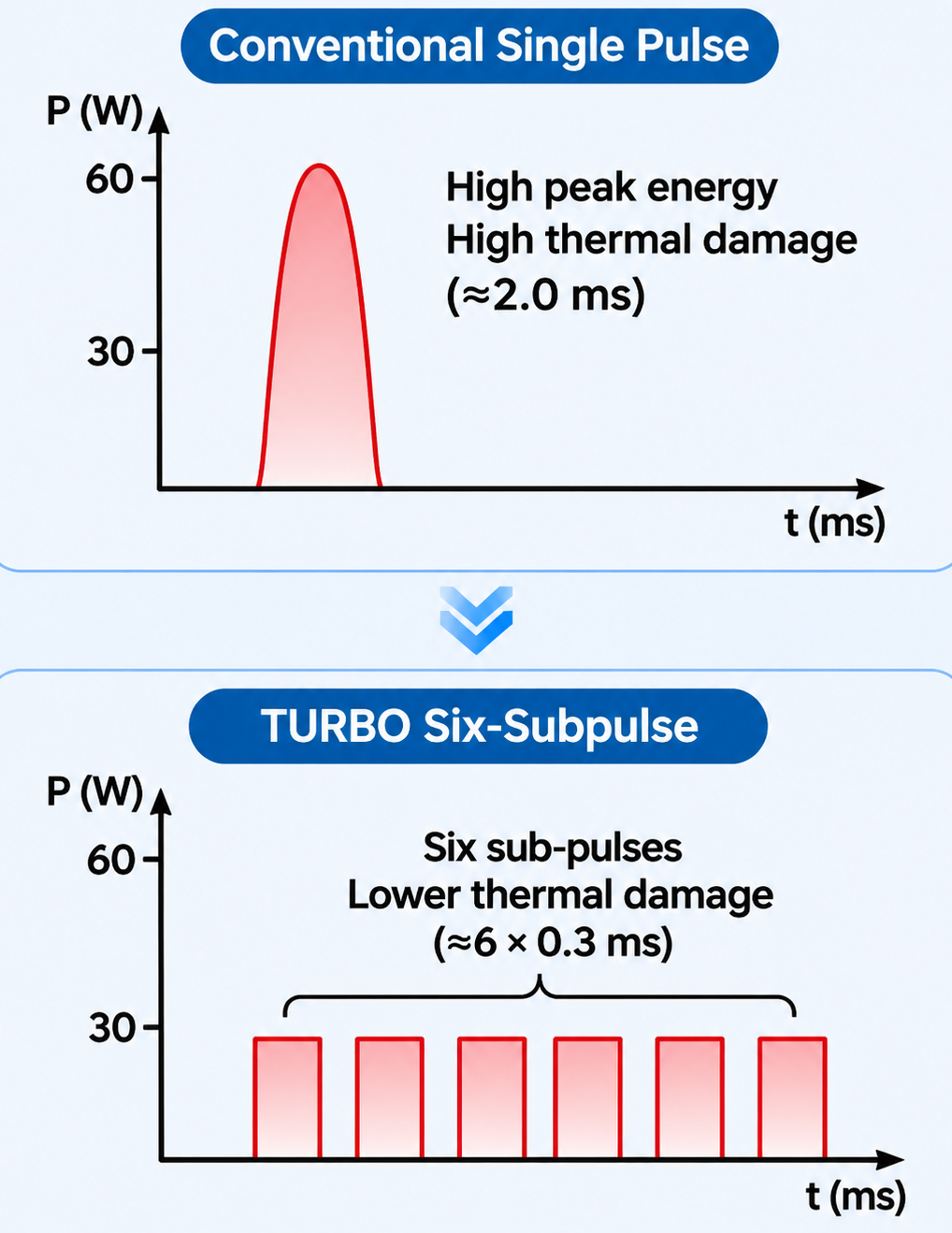
The TURBO technology divides laser pulse energy into six sub-pulses, helping reduce energy loss caused by heat dissipation while supporting consistent spot quality, clear treatment boundaries and uniform penetration depth.
Multiple Scanning Patterns
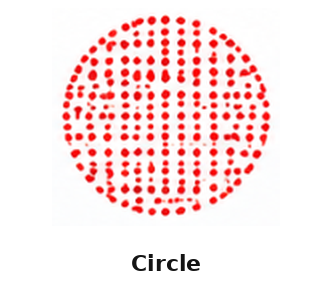
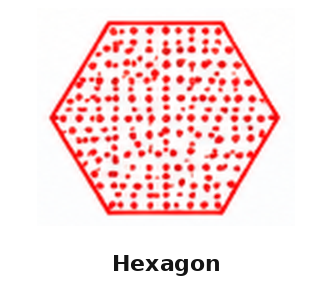
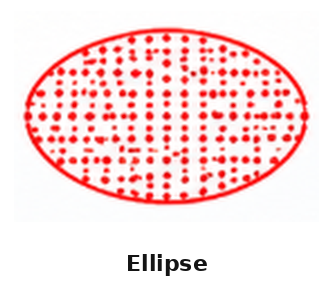
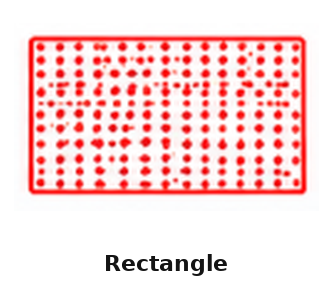
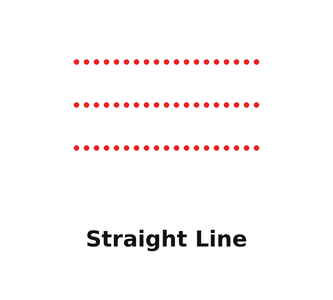
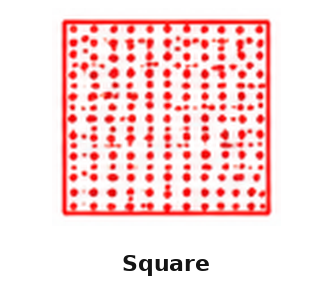
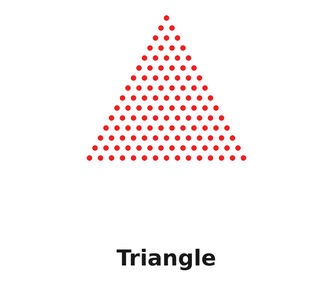
The system offers multiple selectable scanning patterns, including circles, triangles, squares, rectangles, hexagons, ellipses, and straight lines. Each pattern provides a different scanning configuration, allowing practitioners to select the most suitable shape according to the size, contour, and characteristics of the treatment area. This versatile design offers greater flexibility in defining treatment coverage, adapting scanning layouts, and addressing different skin treatment requirements.
Operation video
Intelligent Touchscreen Control System
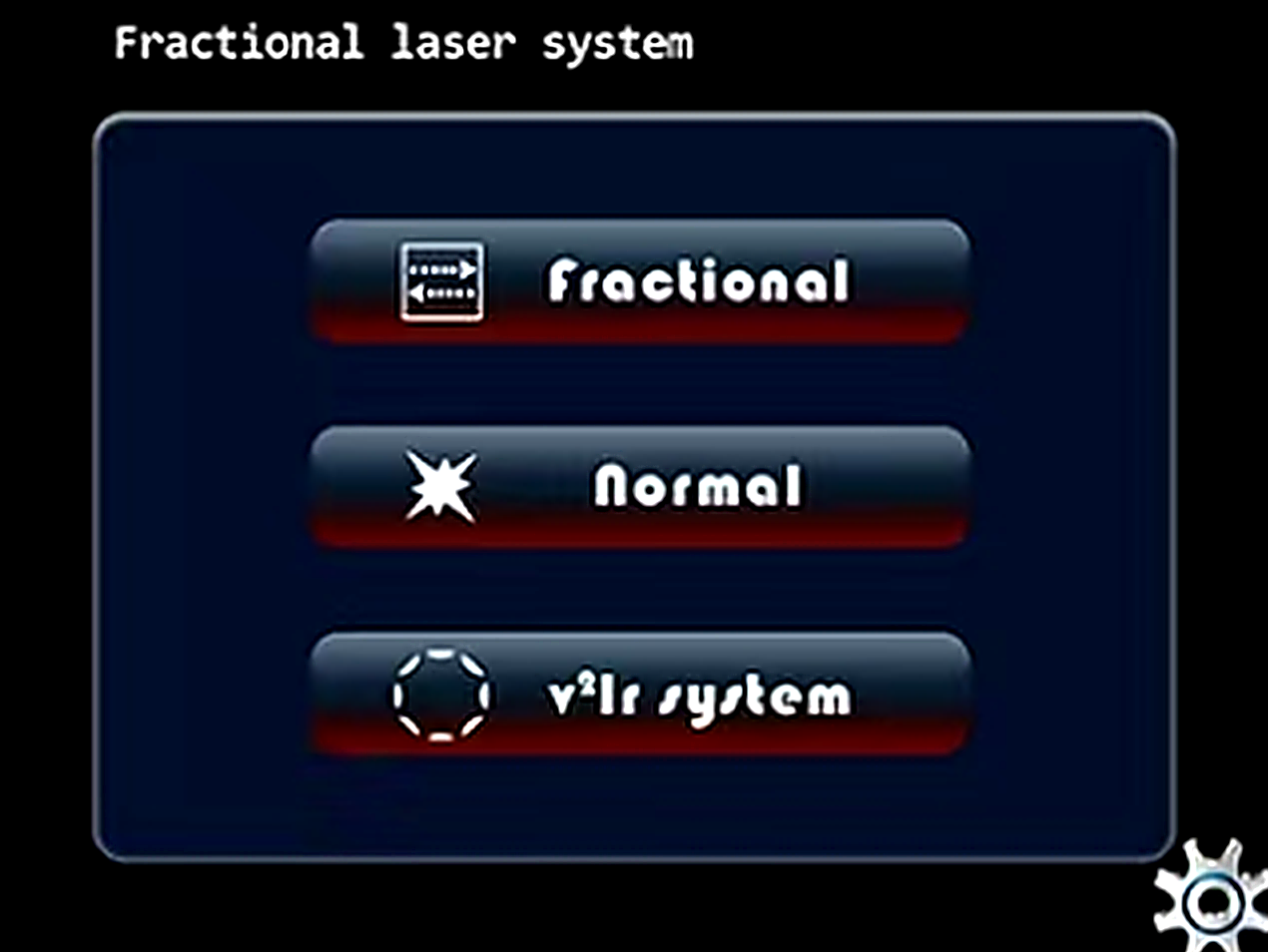
Normal Treatment Interface
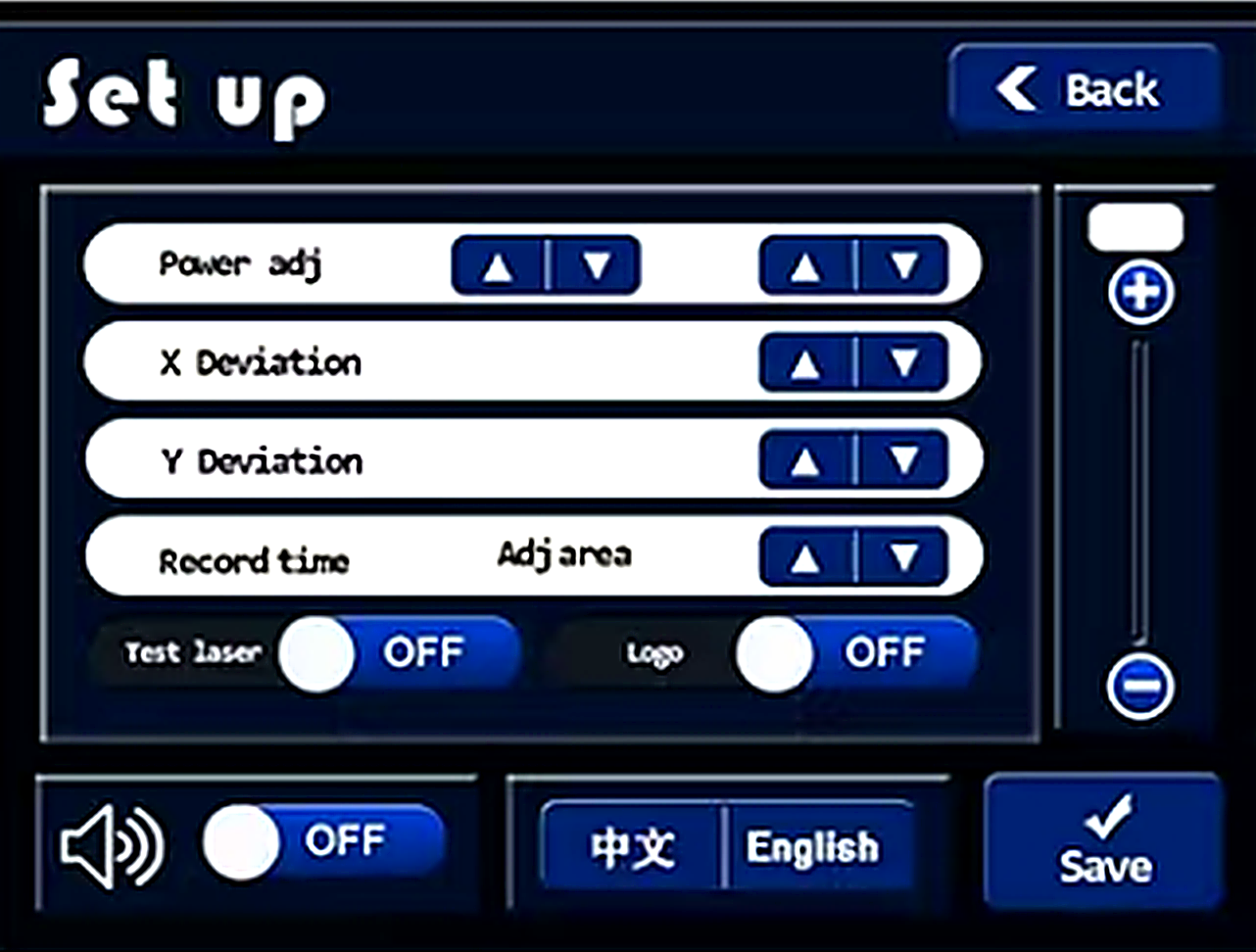
System Setup & Configuration
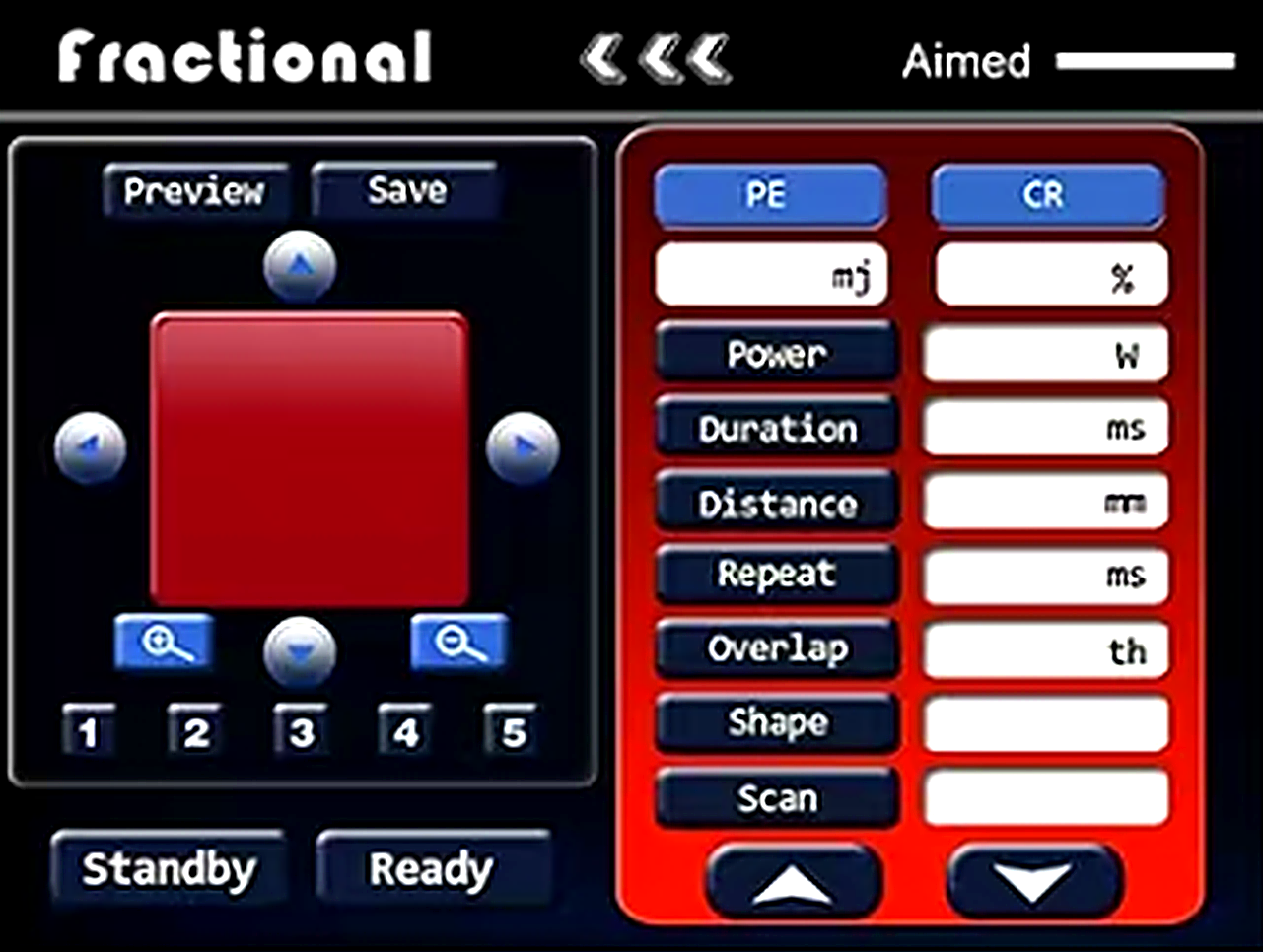
Fractional Treatment Interface
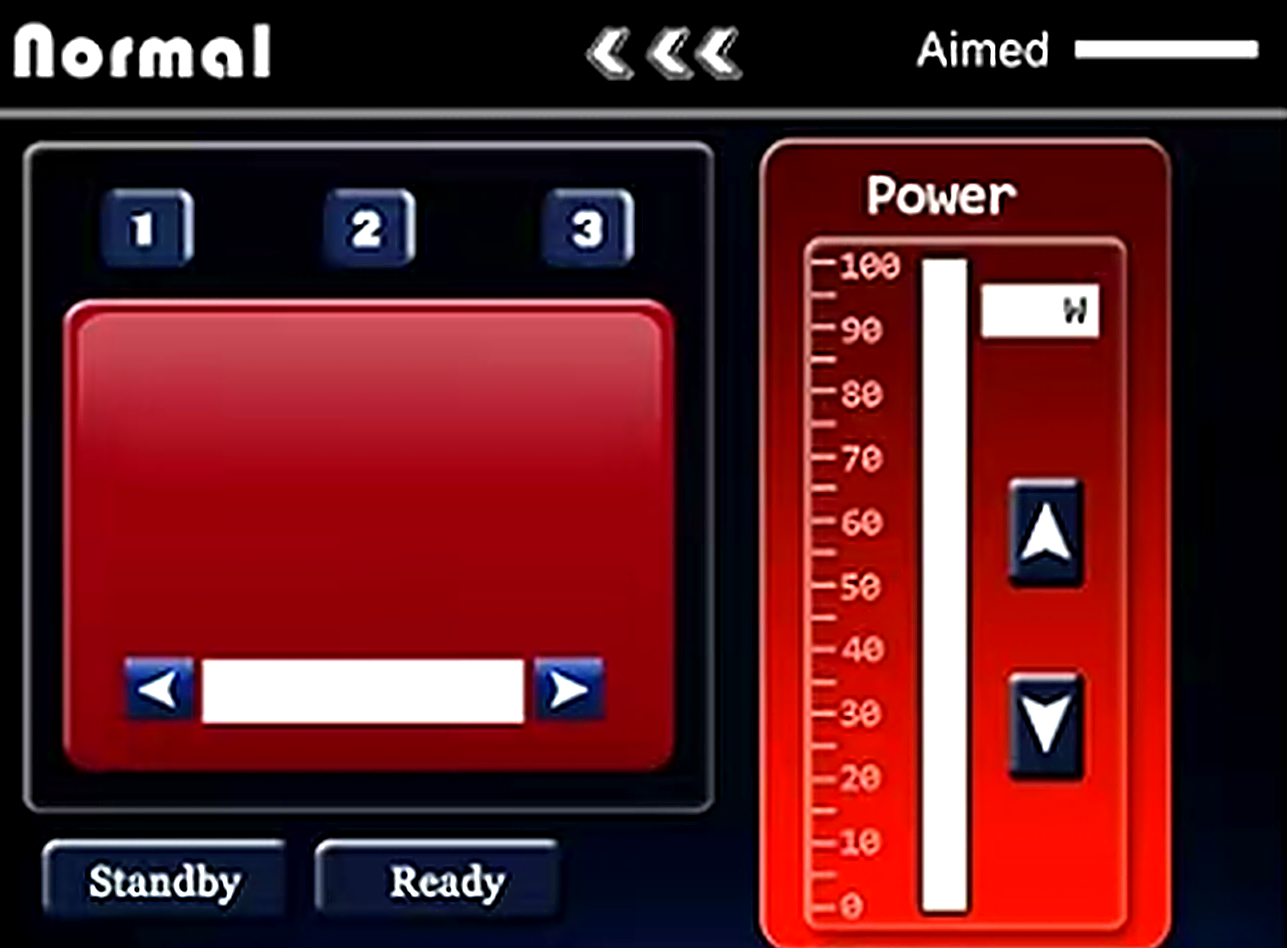
Normal Mode Power Adjustment Interface
Multiple Specialized Treatment Probes
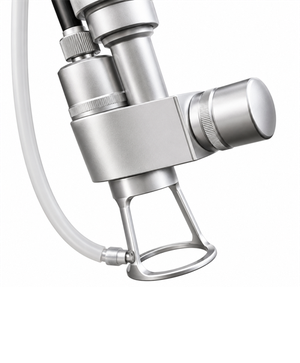
Dot Matrix Probe
For fractional skin resurfacing, acne scars, wrinkles and skin rejuvenation.
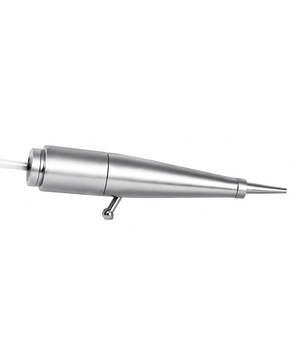
Pulse Treatment Head
For spot treatments, tissue cutting, excision and coagulation.
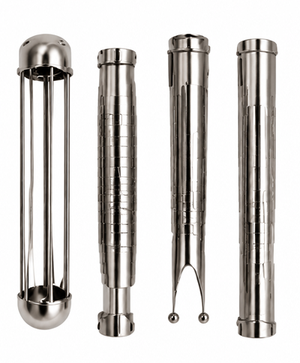
Gynecological Probes
For professional internal and external intimate-area treatment applications.
Treatment Applications
The CO₂ laser system supports a range of professional skin resurfacing, spot treatment, body treatment and gynecological applications. Multiple treatment probes and operating modes provide flexibility for different treatment areas and clinical requirements.
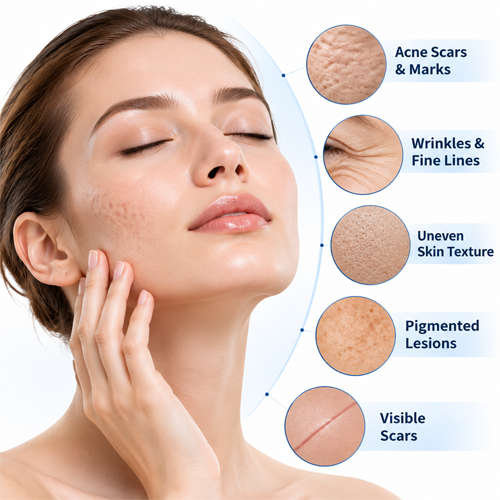
Facial Skin Resurfacing
- Acne Scars & Acne Marks: Targets the appearance of acne-related scars, pitted areas and uneven skin surfaces.
- Wrinkles & Fine Lines: Supports skin resurfacing applications targeting visible wrinkles and fine lines.
- Uneven Skin Texture: Helps refine rough skin texture and improve the appearance of uneven skin surfaces.
- Pigmented Lesions: Supports targeted treatment of selected superficial pigmented lesions.
- Visible Scars: Designed for fractional resurfacing applications involving selected surgical, injury and other visible scars.
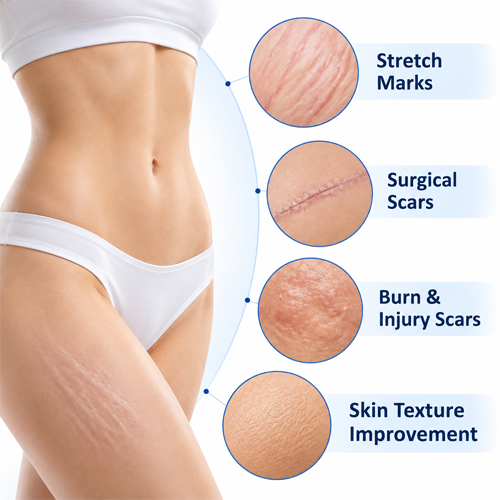
Body Skin Treatments
- Stretch Marks: Designed for fractional resurfacing applications targeting the appearance of stretch marks on the abdomen, thighs and other body areas.
- Surgical Scars: Supports skin resurfacing applications involving selected surgical scars, helping improve the appearance of uneven scar tissue.
- Burn & Injury Scars: Suitable for selected scar resurfacing applications involving visible marks and irregular skin texture following injuries.
- Skin Texture Improvement: Targets uneven skin surfaces and rough texture to support smoother-looking skin.
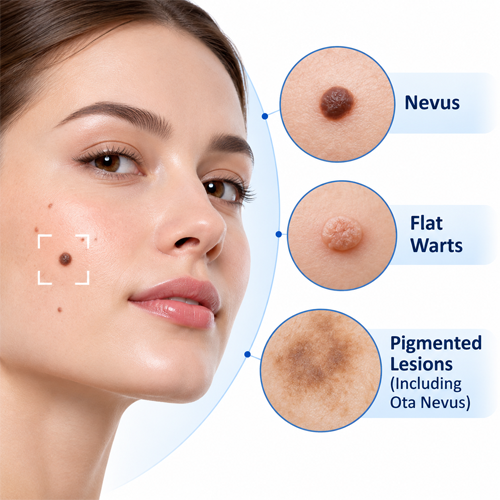
Spot Treatment
The pulse treatment mode provides an additional treatment option for practitioners, allowing selected skin lesions to be addressed individually according to their characteristics and treatment requirements.
- Nevus: Designed for localized treatment applications involving selected nevi and visible skin spots.
- Flat Warts: Suitable for targeted treatment of selected flat wart lesions.
- Pigmented Lesions: Supports localized treatment applications involving selected pigmented skin lesions, including Ota nevus.
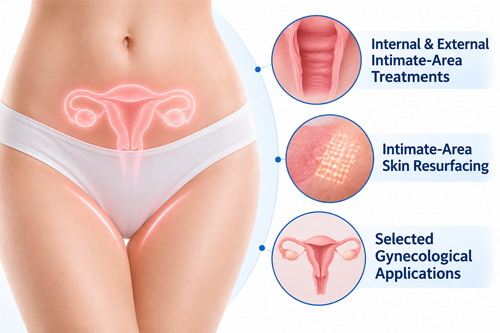
Gynecological & Intimate-Area Applications
-
Intimate-Area Tightening: Supports selected intimate-area tightening applications.
-
Intimate-Area Resurfacing: Specialized probes for localized skin resurfacing.
-
Gynecological Applications: Supports selected internal and external intimate-area procedures.
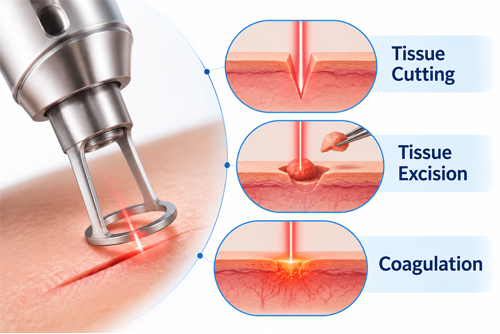
Surgical Applications
- Tissue Cutting: Uses focused CO₂ laser energy to create precise incisions in targeted tissue areas.
- Tissue Excision: Supports the removal of selected tissue structures through controlled laser application.
- Coagulation: Applies laser energy to targeted tissue to produce localized thermal coagulation.
Machine Components
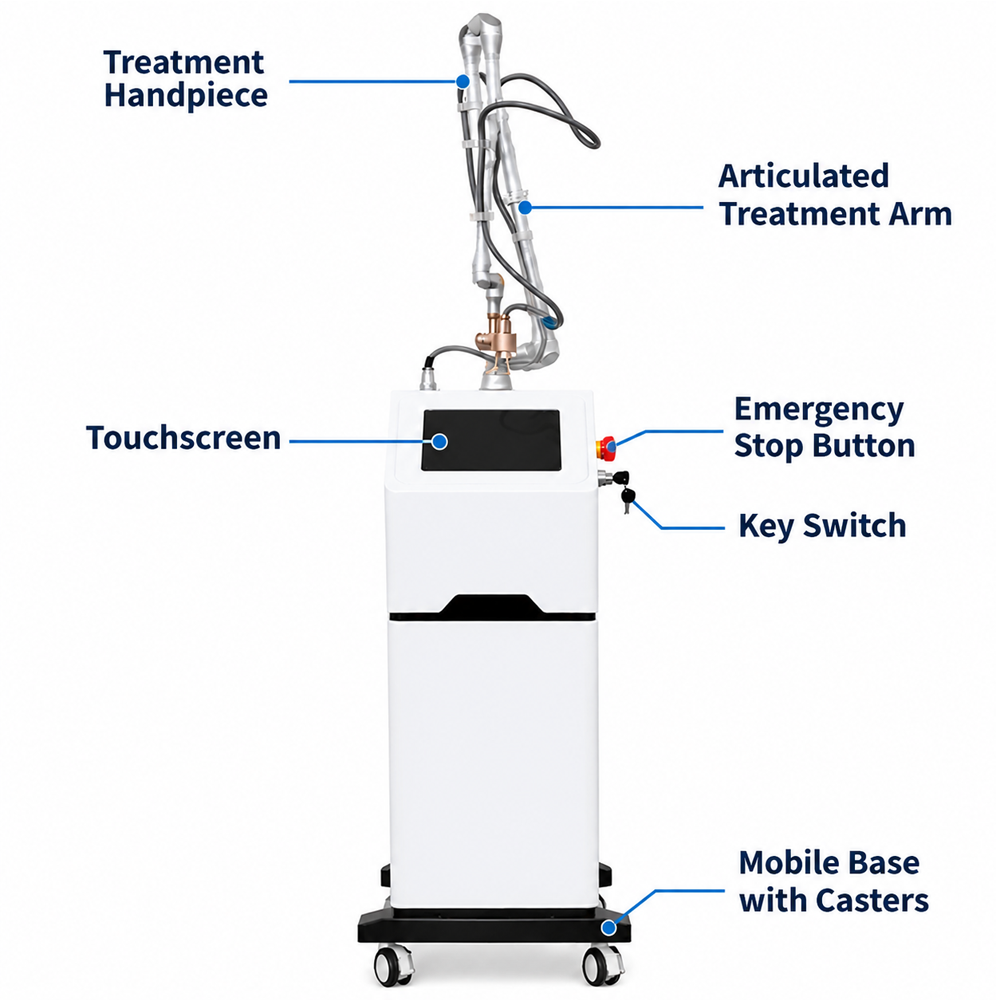
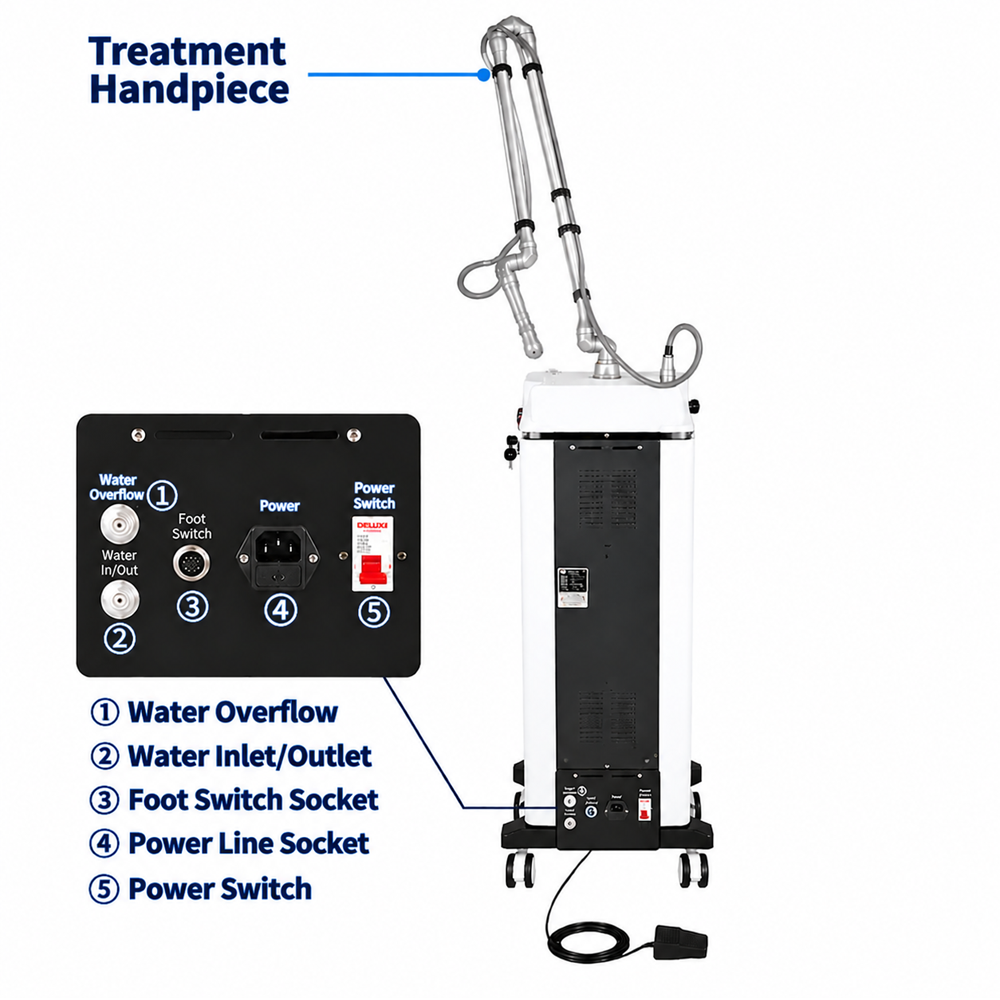
What’s Included
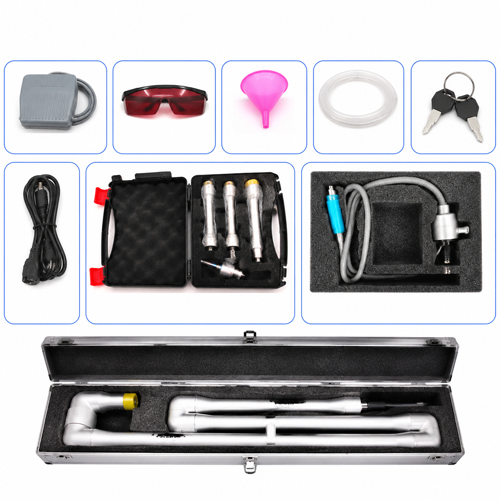
| Row | Accessory Name |
|---|---|
| First Row | Foot Switch |
| First Row | Protective Goggles |
| First Row | Funnel |
| First Row | Water Tube |
| First Row | Keys |
| Second Row | Power Cord |
| Second Row | Handpiece Tips and Accessories |
| Second Row | Handpiece Assembly with Hose |
| Third Row | Articulated Arm Assembly |
3-Year Warranty & Support
-
3-Year Warranty: Warranty coverage begins upon confirmed delivery.
- Replacement Parts: Spare parts and accessories are available upon request.
Shipping & Delivery
-
Sea Freight : All international orders are shipped via sea freight.
-
Secure Packaging: Carefully packaged to help protect the equipment from damage during transportation.FAQ
FAQ
The machine features a combined water cooling and air cooling system to support stable operation and effective heat dissipation during treatments.
Keep the cooling-water tank filled before operation and regularly check that the water circulation system is working properly. Inspect the water pump and cooling lines for air bubbles or blockages, and keep the machine and treatment handpieces clean. If the handpiece becomes unusually hot, check the cooling system before resuming operation.
Treatment discomfort varies depending on the selected treatment mode, energy settings, treatment area, and individual sensitivity. Topical anesthesia may be used for appropriate resurfacing procedures to improve client comfort. The anesthesia method and treatment protocol should be determined by a qualified practitioner.
The system includes a key-operated startup mechanism and an emergency stop switch. Before treatment, practitioners should check the equipment connections, cooling-water circulation, and operating status. Appropriate laser safety measures, including wavelength-compatible protective eyewear and controlled treatment areas, should also be implemented.
Not all skin types are equally suitable for fractional CO₂ laser treatment. Patients with darker skin tones, particularly Fitzpatrick skin types IV–VI, may have a higher risk of post-inflammatory hyperpigmentation. A qualified practitioner should assess skin type, pigmentation history, and individual risk factors before treatment and determine whether CO₂ resurfacing is appropriate.
Related products